
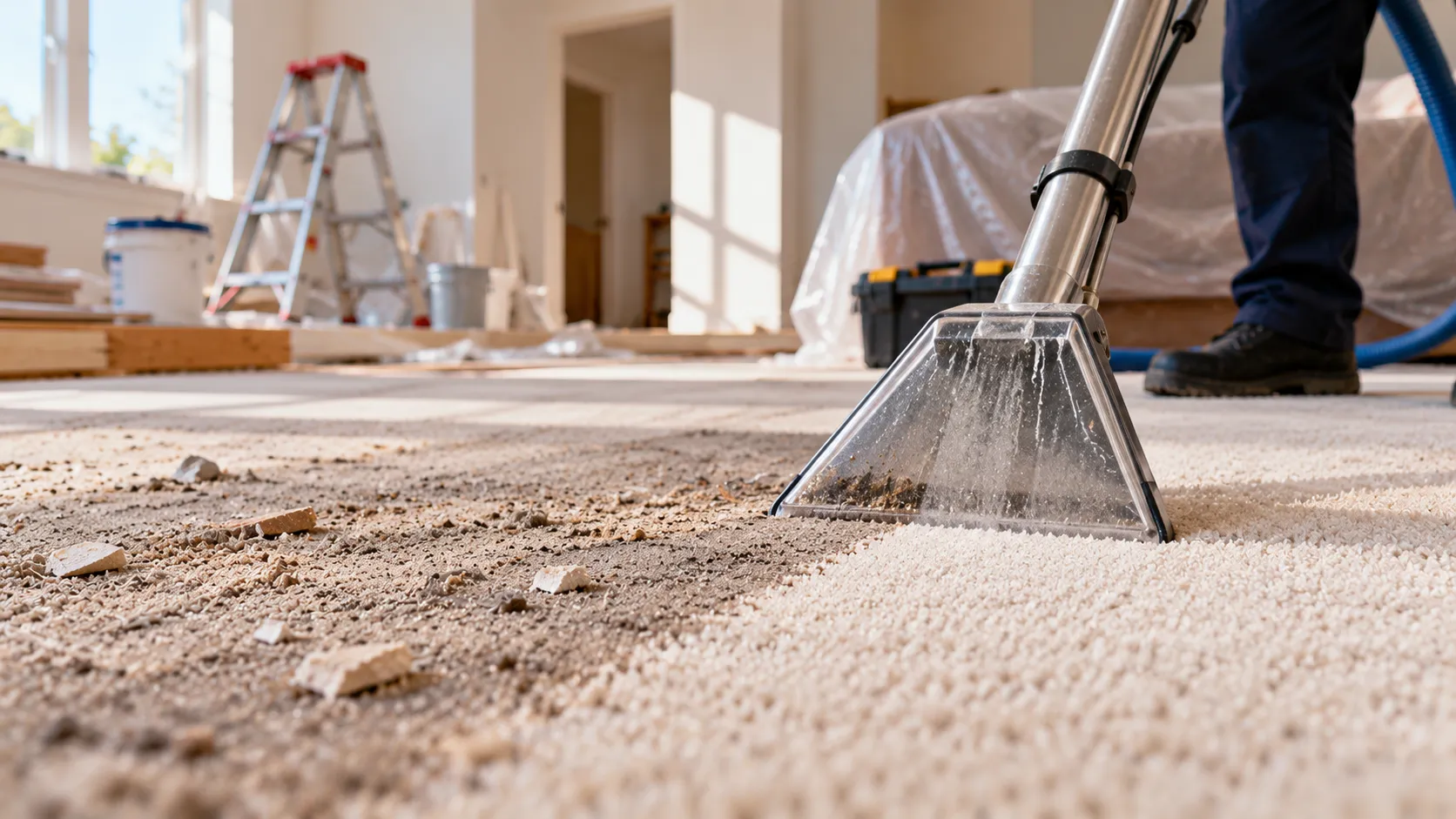
Home renovations can transform your living space, whether you have updated your kitchen, installed new flooring, renovated a bathroom, or completed a full home improvement project. However, once the contractors have left and the tools have been packed away, you may notice something unexpected: dust on your furniture, fine particles around the edges of your rooms, and dirt tracked across your carpets.
For homeowners in Edmonton, renovation work can introduce dust, debris, and construction-related residue into carpeted areas, even when those rooms were not directly involved in the project. Workers moving between rooms, open doorways, and everyday foot traffic can carry particles throughout the home.
While a quick vacuum may be enough to deal with light surface dust, some carpets may need more thorough attention after renovation work.
At Maple Leaf Carpet Cleaning, we understand that keeping carpets clean is an important part of maintaining a comfortable home. Here is how to assess your carpet after renovations, what you can safely do yourself, and when professional carpet cleaning may be appropriate.
1. How Home Renovations Affect Your Carpet
Renovation work can generate different types of dust and debris depending on the materials used and the work being carried out.
Cutting wood, sanding surfaces, drilling into walls, installing drywall, and removing old fixtures can release fine particles into the surrounding environment. Even with protective coverings and regular cleanup, some dust can settle on carpet fibres.
Here are a few common ways renovations can affect your carpet.
Fine construction dust
Drywall sanding, woodworking, and similar activities can generate fine dust that settles on horizontal surfaces and becomes trapped within carpet fibres. Some particles may also remain suspended in the air before settling.
A carpet can look relatively clean while still holding dust and debris that are not immediately visible.
Dirt from renovation foot traffic
Contractors, delivery personnel, and household members may walk between work areas and other parts of the home. Shoes can transfer outdoor dirt, construction dust, and other debris onto carpeted hallways, stairs, and adjoining rooms.
These areas may become noticeably dirtier than rooms that received little traffic.
Spills and surface residue
Paint, adhesives, plaster, and other renovation materials can occasionally reach carpeted surfaces. These substances may require different treatment methods from ordinary household dirt.
Do not assume that a general carpet cleaner will be suitable for every construction-related stain. Some products can react with carpet dyes or fibres, while certain adhesives and coatings require specialist assessment.
The first step is to identify what is on the carpet before deciding how to clean it.
2. Is Vacuuming Enough After Renovations?
In some cases, yes. If the renovation was relatively minor, the carpet was properly protected, and the only issue is a small amount of loose dust, careful vacuuming may be sufficient.
However, the right approach depends on the type and quantity of dust, the condition of the carpet, and the work carried out nearby.
When vacuuming may be sufficient
Vacuuming may be a reasonable first step when:
- The renovation involved minimal dust-producing work.
- The carpet was covered during the project and has little visible contamination.
- Only a small amount of loose dust or ordinary dirt is present.
- There are no persistent odours, noticeable stains, or sticky residues.
- The carpet looks and feels normal after cleaning.
Use a well-maintained vacuum cleaner with an appropriate filter and follow the manufacturer’s instructions. Move slowly over affected areas and pay attention to edges and high-traffic pathways.
If you suspect substantial construction dust is present, avoid repeatedly vacuuming without first assessing the situation. Fine particles can place additional demands on vacuum filters, and some renovation debris may require more specialised handling.
When vacuuming may not be enough
Consider a more thorough assessment if:
- Dust remains visible after careful vacuuming.
- Carpet fibres feel gritty or unusually dirty.
- Renovation traffic has left darkened pathways.
- The carpet has persistent odours or visible spots.
- Dust appears to have spread across several rooms.
- Paint, adhesive, plaster, or other construction materials have contacted the carpet.
Vacuuming removes loose particles from accessible areas, but it may not remove all embedded soil or certain residues. Professional carpet cleaning may help where the carpet’s condition and the type of contamination make deeper cleaning appropriate.
3. Why Renovation Dust Can Be Difficult to Remove
Not all construction dust behaves the same way. Some particles remain loose on the carpet surface, while others become trapped between fibres or mix with dirt brought in by foot traffic.
Walking over dusty carpet can press particles further into the pile. Over time, repeated traffic may also contribute to visible soil accumulation in hallways, entrances, and other frequently used areas.
The type of carpet matters, too. Fibre material, pile height, construction, and existing soil levels can influence how easily particles are removed.
For these reasons, there is no single cleaning method that suits every post-renovation carpet.
A practical approach is to begin with the least aggressive suitable method, assess the results, and seek professional advice if contamination remains.
4. When Is Professional Carpet Cleaning Recommended?
Professional carpet cleaning may be worth considering when ordinary vacuuming does not adequately address the condition of the carpet.
A trained cleaning professional can assess the carpet, identify visible contamination, and recommend a suitable cleaning approach based on the material and the nature of the problem.
Here are situations where professional attention may be beneficial.
Dust and soil remain embedded in the carpet
If the carpet still looks dull, feels gritty, or shows signs of accumulated dirt after vacuuming, a suitable professional cleaning process may help remove remaining soil.
The appropriate method depends on the carpet manufacturer’s recommendations and the type of contamination present.
High-traffic areas look noticeably dirty
Renovations often involve frequent movement through hallways, entrances, and adjoining rooms. These areas can collect more dirt than the rest of the home.
Professional cleaning may help improve the appearance of affected pathways and restore a more consistent appearance across the carpet.
The carpet has persistent odours
Dust and ordinary soil are not the only possible sources of unpleasant smells. Spills, damp materials, and renovation-related residues may also contribute to odours.
The source should be identified before treatment. Cleaning alone may not resolve an odour caused by an underlying moisture problem or contamination beneath the carpet.
Renovation-related stains need attention
Paint, adhesive, plaster, and similar materials can be particularly challenging to remove safely.
If a substance has hardened or bonded to the carpet, avoid scraping aggressively or applying several household cleaning products. Explain what was spilled and, if possible, identify the product involved before arranging professional assessment.
Not every stain can be completely removed, especially if it has permanently altered the carpet fibres or dyes. Early assessment can help reduce the risk of making the damage worse.
5. What Should You Do Before Booking a Professional Carpet Cleaner?
A few simple steps can help you prepare your carpet for cleaning after a renovation.
Remove loose debris carefully. Pick up larger pieces by hand where it is safe to do so. Do not vacuum sharp fragments, plaster chunks, nails, or other debris that could damage the machine or create a safety hazard.
Check the type of dust or residue. Ordinary household dust is different from potentially hazardous construction material. If you suspect asbestos, lead-containing dust, or another hazardous substance, do not disturb or vacuum it. Follow appropriate safety guidance and contact a qualified specialist.
Inspect the carpet for stains. Note any paint, adhesive, plaster, or other spills. Avoid experimenting with solvents or strong cleaning products before identifying the material.
Check the carpet care instructions. Carpet fibres and backing materials can respond differently to moisture and cleaning agents. Manufacturer guidance can help determine which methods are appropriate.
Allow the work area to be safely cleared. Make sure renovation debris has been removed and any necessary dust-control or hazardous-material cleanup has been completed before arranging routine carpet cleaning.
These precautions help distinguish an ordinary post-renovation cleaning requirement from a situation that needs specialist attention.
6. Can Professional Carpet Cleaning Remove All Renovation Dust?
Professional carpet cleaning can help remove suitable types of embedded soil and dust, but results depend on the circumstances.
Factors that influence the outcome include:
- The amount and type of dust present.
- Whether particles have been pressed into the carpet by foot traffic.
- The carpet’s fibre type and construction.
- Whether paint, adhesive, plaster, or other substances are present.
- Previous cleaning attempts and any existing carpet damage.
A professional cleaner can assess these factors and recommend a suitable approach. Depending on the situation, this may involve thorough vacuuming, a compatible carpet-cleaning method, targeted stain treatment, or a recommendation to consult a specialist.
It is important to note that routine carpet cleaning is not a substitute for hazardous-material remediation or specialised construction cleanup. Potentially dangerous dust must be assessed and handled appropriately before ordinary cleaning begins.
7. How to Protect Your Carpet During Future Renovations
Prevention can reduce the amount of dust and dirt that reaches your carpet in the first place.
Here are several practical measures for homeowners planning future improvements.
- Cover carpeted areas properly: Use suitable protective coverings and secure them to reduce the chance of dust and debris getting underneath.
- Limit access to work areas: Where practical, keep unnecessary foot traffic away from carpeted rooms near the renovation.
- Establish a clear entry route: Ask contractors to use a designated route when moving tools and materials through the home.
- Control dust at the source: Appropriate containment and dust-control practices during renovation can help limit the spread of airborne particles.
- Clean up as work progresses: Regular removal of debris and suitable dust-control measures can reduce the amount of material carried into adjoining rooms.
- Inspect carpets before removing protection: Check for dust, loose debris, and spills once the work is complete, and address any issues appropriately.
These steps can make the final cleanup easier and reduce the risk of renovation-related damage to carpeted areas.
Professional Carpet Cleaning in Edmonton
Once your renovation is complete, it is worth giving your carpets a closer look. A little surface dust may only require careful vacuuming, while embedded soil, persistent odours, heavy foot traffic, or certain stains may call for a more thorough approach.
Maple Leaf Carpet Cleaning provides residential and commercial carpet cleaning, upholstery cleaning, rug cleaning, and stain-removal services in Edmonton and surrounding areas.
If your carpets still look dusty or dirty after renovations, our team can help you explore suitable cleaning options based on the condition of your carpet and the type of contamination involved.
Contact Maple Leaf Carpet Cleaning
- Service area: Edmonton and surrounding areas
- Phone: +1 (780) 906-5237
- Website: mapleleafcarpetcleaning.ca
Give your renovated home a fresh start with carpets that receive the right care.
Frequently Asked Questions
Should I professionally clean my carpet after home renovations?
Not every renovation requires professional carpet cleaning. If the carpet has only light surface dust, careful vacuuming may be enough. Professional cleaning may be appropriate if dust remains embedded, high-traffic areas look dirty, or persistent odours and stains are present.
Does renovation dust get trapped in carpet fibres?
Yes. Depending on the particle size, carpet construction, and level of foot traffic, some dust can settle between carpet fibres. Vacuuming can remove accessible particles, while additional cleaning may be needed for remaining soil.
Should I vacuum carpet immediately after renovations?
First, make sure larger debris has been removed and the area is safe to clean. If the dust may contain hazardous material, do not vacuum it; seek qualified advice. For ordinary renovation dust, use an appropriate, well-maintained vacuum and follow the manufacturer’s guidance.
Can professional carpet cleaning remove paint or plaster from carpet?
Some fresh, water-based residues may respond to suitable treatment, but results vary. Dried paint, hardened plaster, adhesives, and other construction materials can be difficult to remove. The substance should be identified before choosing a treatment, and permanent damage may not be reversible.
How soon after renovations should I arrange carpet cleaning?
Arrange routine carpet cleaning once renovation work and appropriate dust-control cleanup are complete, the area is safe, and any moisture issues have been addressed. If a spill occurs, seek suitable advice promptly rather than waiting until the entire project is finished.
Is professional carpet cleaning necessary if my carpet looks clean?
Not necessarily. Appearance alone does not determine whether deeper cleaning is required. Consider the type of renovation, the effectiveness of protective coverings, the amount of foot traffic, and whether dust or residue remains after vacuuming.
Further Reading
For additional guidance on carpet care and renovation-related dust, consult these resources:
- The Carpet and Rug Institute — Cleaning and Maintenance
- U.S. Environmental Protection Agency — Indoor Air Quality
- Government of Canada — Asbestos
These resources provide general information about carpet maintenance, indoor air quality, and asbestos safety. Always follow the specific instructions for your carpet and seek qualified advice if renovation materials may pose a health risk.


