
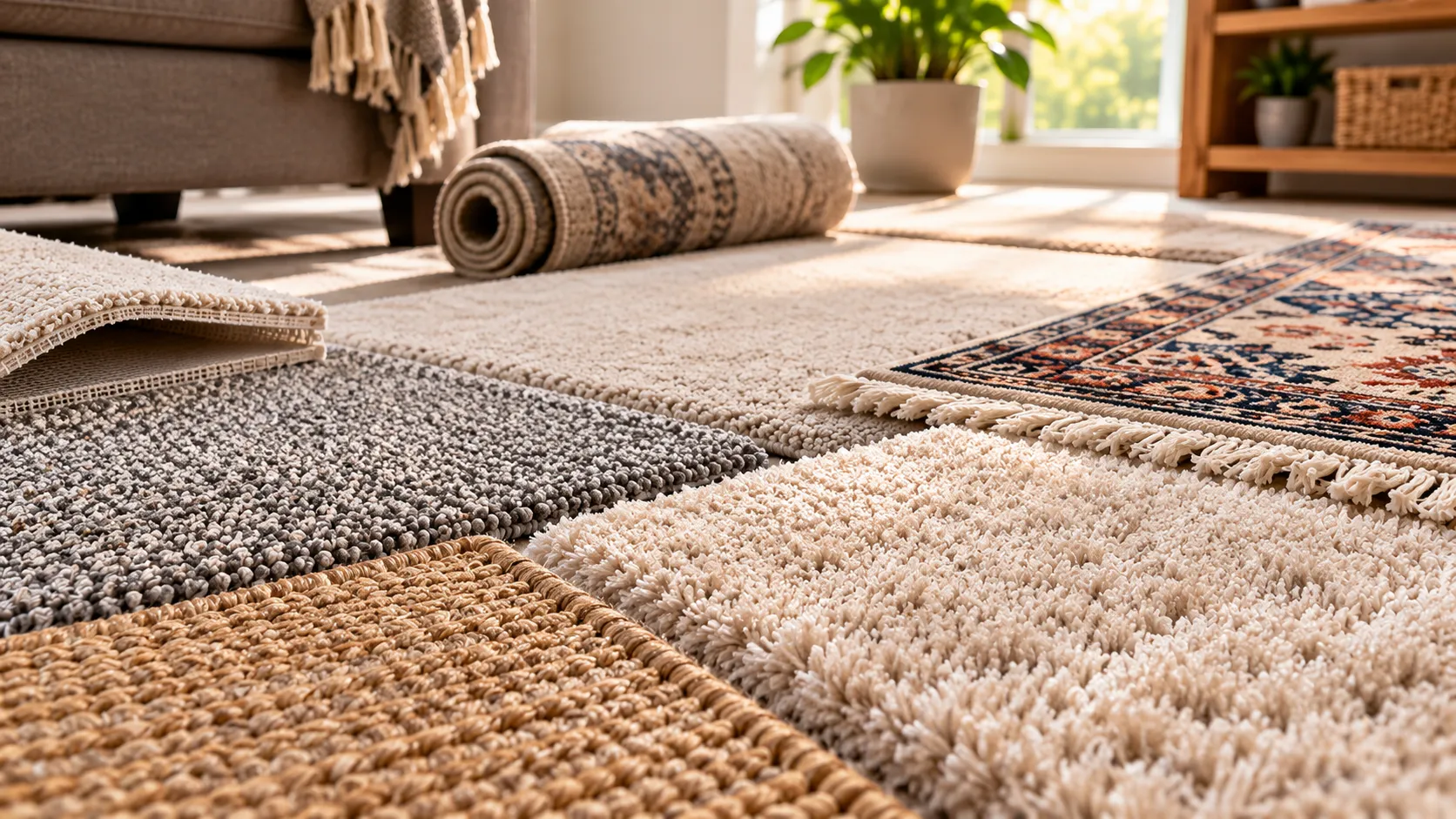
Not all carpets and rugs are made the same way. While one carpet may respond well to a particular cleaning method, another may require a different approach to protect its fibres, colours, and construction.
From wall-to-wall carpeting in living rooms to decorative area rugs in bedrooms and hallways, flooring materials vary widely. Some are made from durable synthetic fibres, while others use natural materials that need more careful handling. Differences in pile construction, dyes, backing, and age can also influence how a carpet or rug should be cleaned.
For Edmonton homeowners, understanding these differences can help prevent avoidable damage and keep carpets and rugs looking their best.
At Maple Leaf Carpet Cleaning, we understand that choosing an appropriate cleaning method is an important part of carpet care. Here is why the same approach should not automatically be used on every carpet and rug, what you should consider before cleaning, and when professional assessment may be helpful.
1. Why Carpet and Rug Materials Matter
The material used to make a carpet or rug plays an important role in determining how it responds to moisture, cleaning products, agitation, and drying.
Different fibres have different physical and chemical properties. Some tolerate certain cleaning processes well, while others may be more sensitive to excessive moisture, unsuitable chemicals, or aggressive handling.
For example, a cleaning product suitable for one synthetic carpet may not be appropriate for a delicate natural-fibre rug. Similarly, a method that works on a durable, low-pile carpet may not be suitable for a handmade rug with unstable dyes or a specialised backing.
Before cleaning, it is important to consider:
- Fibre type: The material from which the carpet or rug is made.
- Construction: Whether the pile is looped, cut, woven, tufted, or handmade.
- Dye stability: Whether the colours are likely to bleed or transfer during cleaning.
- Backing and adhesives: Whether the construction can tolerate the proposed moisture and cleaning process.
- Age and condition: Whether the item has existing wear, loose fibres, fading, or previous damage.
- Manufacturer’s instructions: Any specific care requirements or cleaning restrictions.
These factors help determine which cleaning method is suitable and what precautions may be necessary.
2. How Different Carpet Fibres Respond to Cleaning
Understanding common carpet fibres can help explain why a single cleaning method is not appropriate for every surface.
Nylon carpets
Nylon is a widely used synthetic carpet fibre. It is generally durable and commonly found in residential and commercial settings.
However, nylon carpets can still be affected by unsuitable cleaning products, excessive heat, residue, and aggressive brushing. Their ability to resist stains also depends on the carpet’s treatment and construction.
The correct cleaning approach should take account of the manufacturer’s recommendations, the type of soil present, and the carpet’s condition.
Polyester carpets
Polyester is another common synthetic fibre used in residential carpets.
It can offer good resistance to certain types of staining, but oily soils may present particular cleaning challenges. A method designed for a different fibre or soil type may not provide the best result.
Using a suitable cleaning process and removing cleaning residue appropriately can help maintain the carpet’s appearance.
Polypropylene (olefin) carpets
Polypropylene, also known as olefin, is often used in carpets and rugs designed for areas where moisture resistance is useful.
Although the fibre has useful moisture-related properties, it is not immune to damage. Heat sensitivity, pile distortion, oily soil, and construction-related limitations may affect the appropriate cleaning method.
Avoid assuming that a carpet is suitable for any cleaning process simply because its fibres resist moisture.
Wool carpets and rugs
Wool is a natural fibre that requires particular care.
Depending on the construction and dye system, wool can be sensitive to unsuitable pH levels, excessive agitation, and inappropriate moisture or drying conditions. Some wool items may also be susceptible to shrinkage, colour bleeding, or texture changes when cleaned incorrectly.
Always check the manufacturer’s care instructions. Valuable, delicate, or handmade wool rugs may benefit from specialist assessment before cleaning.
Other natural fibres
Natural-fibre floor coverings can include cotton, jute, sisal, and other plant-based materials.
Their care requirements vary considerably. Some may be vulnerable to water-related staining, browning, shrinkage, or changes in texture. The backing, weave, and dyes can introduce additional considerations.
A method suitable for a synthetic wall-to-wall carpet should not automatically be used on a natural-fibre rug.
The key takeaway: Fibre type is an important starting point, but it is not the only factor. Two carpets made from the same material can still require different cleaning approaches.
3. Why Carpet Construction Makes a Difference
Even when two carpets use similar fibres, their construction can influence how they respond to cleaning.
Cut-pile carpets
Cut-pile carpets have fibres that are cut at the surface, creating a soft, upright appearance. Examples include several common residential carpet styles.
Depending on the pile and fibre, excessive agitation may change the appearance of the surface or create uneven texture.
Suitable cleaning methods should remove soil without unnecessarily disturbing the pile.
Loop-pile carpets
Loop-pile carpets have yarn formed into loops rather than cut ends.
These carpets can be vulnerable to snagging if handled with unsuitable brushes or tools. Aggressive scrubbing may pull or damage loops, especially where the carpet is already worn.
Use a cleaning approach appropriate for the construction and avoid tools that may catch on the loops.
High-pile and plush carpets
High-pile carpets have longer fibres, while plush styles often have a dense, soft surface.
Depending on the construction, these carpets may hold soil within the pile and require careful attention during cleaning and drying.
Excessive moisture or unsuitable agitation can affect the appearance of the fibres. The cleaning process should be selected to suit the pile depth and manufacturer’s care instructions.
Woven and handmade rugs
Woven and handmade rugs can have complex constructions involving different fibres, dyes, and backing materials.
Some may be particularly sensitive to colour bleeding, distortion, or changes caused by inappropriate cleaning products.
Older, valuable, or delicate rugs should be assessed carefully before any wet-cleaning process is attempted.
The more specialised the construction, the more important it becomes to understand the item before choosing a method.
4. Can the Same Cleaning Product Be Used on Every Carpet?
No. A cleaning product that is suitable for one carpet may not be appropriate for another.
Cleaning products differ in their ingredients, pH, solvents, surfactants, and intended applications. Their suitability depends on the fibre, dyes, backing, type of soil, and manufacturer’s recommendations.
Using an unsuitable product can potentially cause:
- Colour fading or dye transfer.
- Changes in fibre texture.
- Residue that attracts additional soil.
- Damage to sensitive materials or backing.
- Discolouration or other changes that may be difficult to reverse.
Even products labelled for carpet cleaning should be checked for compatibility with the specific item.
If you are treating a small spill at home, follow the carpet manufacturer’s instructions and the product label. Test an appropriate product in an inconspicuous area when recommended, and avoid mixing cleaning chemicals.
For delicate rugs or items with uncertain fibre content, professional advice is often preferable to experimenting with multiple products.
5. Why Moisture and Drying Time Matter
Moisture management is another reason that carpet and rug cleaning methods should be selected carefully.
Some carpets are designed to tolerate particular wet-cleaning processes when performed correctly. Other materials and constructions may be more vulnerable to moisture-related problems.
Potential issues include:
- Shrinkage or distortion in susceptible materials.
- Colour bleeding or dye migration.
- Browning or changes in appearance.
- Moisture affecting backing, adhesives, or the underlay.
- Persistent dampness and associated odours.
The amount of moisture used, the cleaning process, airflow, and drying conditions all influence the result.
Rugs can present additional challenges because their backing, borders, fringe, and decorative elements may respond differently from the pile itself.
A suitable cleaning method should account for the entire item rather than focusing only on the visible surface.
After cleaning, follow the recommended drying instructions and avoid returning furniture to a damp carpet. If an item remains unusually wet or develops a persistent odour, seek appropriate advice.
6. What About Different Types of Stains?
The cleaning method also needs to account for what has made the carpet or rug dirty.
Ordinary dust, muddy footprints, oily residue, food spills, pet-related stains, and dye-based stains are not identical problems.
A method that removes loose soil may not be effective against an oily stain. Likewise, a product suitable for a particular food spill may be inappropriate for a delicate wool rug.
Before treating a stain, consider:
- What caused the stain, if known.
- Whether the material is fresh or has dried.
- The carpet or rug’s fibre and construction.
- Any cleaning products already applied.
- The manufacturer’s care instructions.
For fresh spills, remove loose material carefully and blot rather than scrub when appropriate. Avoid saturating the area or applying several products in succession.
If the stain is unidentified, the colours appear unstable, or previous treatment has changed the material’s appearance, professional assessment can help reduce the risk of further damage.
7. When Should You Contact a Professional Carpet Cleaner?
Some routine cleaning tasks can be handled at home, but certain carpets and rugs benefit from a more careful assessment.
Consider seeking professional advice if:
- You are unsure what fibre the carpet or rug contains.
- The item is handmade, antique, valuable, or delicate.
- The dyes appear to transfer when the item becomes damp.
- The carpet has persistent stains or unusual discolouration.
- The backing appears damaged or the rug has loose seams or fringe.
- Previous cleaning has caused texture changes, shrinkage, or browning.
- The carpet has a care label that restricts certain cleaning methods.
A professional cleaner can examine the item’s visible condition, consider its construction and care instructions, and recommend a suitable approach within the scope of the service.
Not every stain or appearance problem can be completely corrected. Permanent dye changes, fibre damage, and construction defects may require specialised repair or may not be reversible through cleaning alone.
The aim is to choose a method that addresses the cleaning requirement while minimising the risk of unnecessary damage.
Professional Carpet and Rug Cleaning in Edmonton
Carpets and rugs play an important role in the comfort and appearance of your home. However, keeping them in good condition involves more than choosing a cleaning product or using the same method on every surface.
Fibre type, construction, dyes, backing, and existing condition all influence which cleaning approach is appropriate.
Maple Leaf Carpet Cleaning provides residential and commercial carpet cleaning, upholstery cleaning, rug cleaning, and stain-removal services in Edmonton and surrounding areas.
If you are unsure how to care for your carpet or rug, our team can help you explore suitable cleaning options based on the item and its cleaning requirements.
Contact Maple Leaf Carpet Cleaning
- Service area: Edmonton and surrounding areas
- Phone: +1 (780) 906-5237
- Website: mapleleafcarpetcleaning.ca
Give your carpets and rugs the appropriate care with a cleaning approach suited to their materials and condition.
Frequently Asked Questions
Can you use the same cleaning method on all carpets?
No. Carpet fibres, pile construction, dyes, backing, and condition can vary considerably. The appropriate cleaning method should be selected according to the specific item and the manufacturer’s care instructions.
Is steam cleaning suitable for every carpet and rug?
No. Some carpets are suitable for particular hot-water extraction or other wet-cleaning processes, while certain rugs and materials require different care. Check the manufacturer’s instructions and have delicate or valuable items assessed before cleaning.
Can household carpet cleaners damage rugs?
They can if the product is incompatible with the fibres, dyes, backing, or construction. Follow the product label and care instructions, and avoid experimenting on delicate or valuable rugs.
How do I know whether my rug is made from wool or synthetic fibres?
Check the manufacturer’s label, purchase documentation, or product information where available. If the material is uncertain, a qualified professional may be able to help assess it. Avoid relying on an unverified home test.
Why do some rugs lose colour during cleaning?
Colour loss or bleeding can occur when dyes are unstable or when an unsuitable cleaning process affects them. Dye stability should be considered before cleaning, particularly for handmade, older, or brightly coloured rugs.
Should I clean a valuable rug at home?
For valuable, antique, handmade, or delicate rugs, professional assessment is generally the safer starting point. Their fibres, dyes, backing, and decorative details may require specialised care.
Further Reading
For general information about carpet care and maintenance, consult:
- The Carpet and Rug Institute — Cleaning and Maintenance
- The Carpet and Rug Institute — Carpet for Homes
Always follow the care instructions supplied by the carpet or rug manufacturer, especially when cleaning natural fibres, delicate constructions, or items with uncertain dye stability.


